|  |  |
United Kingdom and the world
| | |
 |
 |
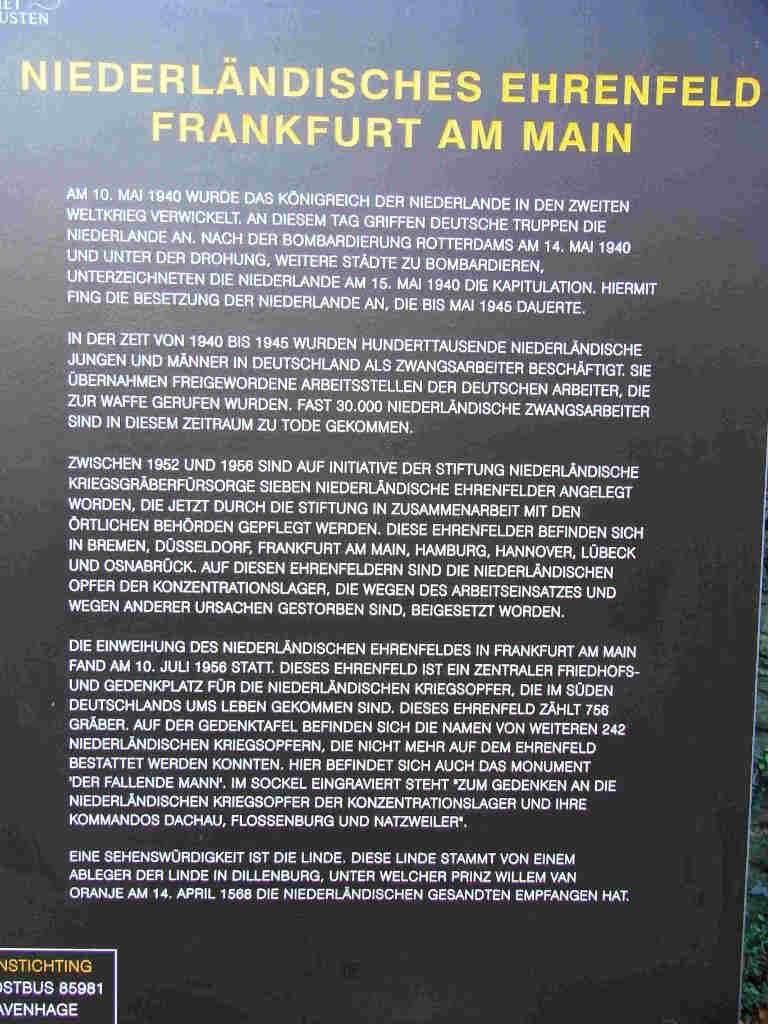 |
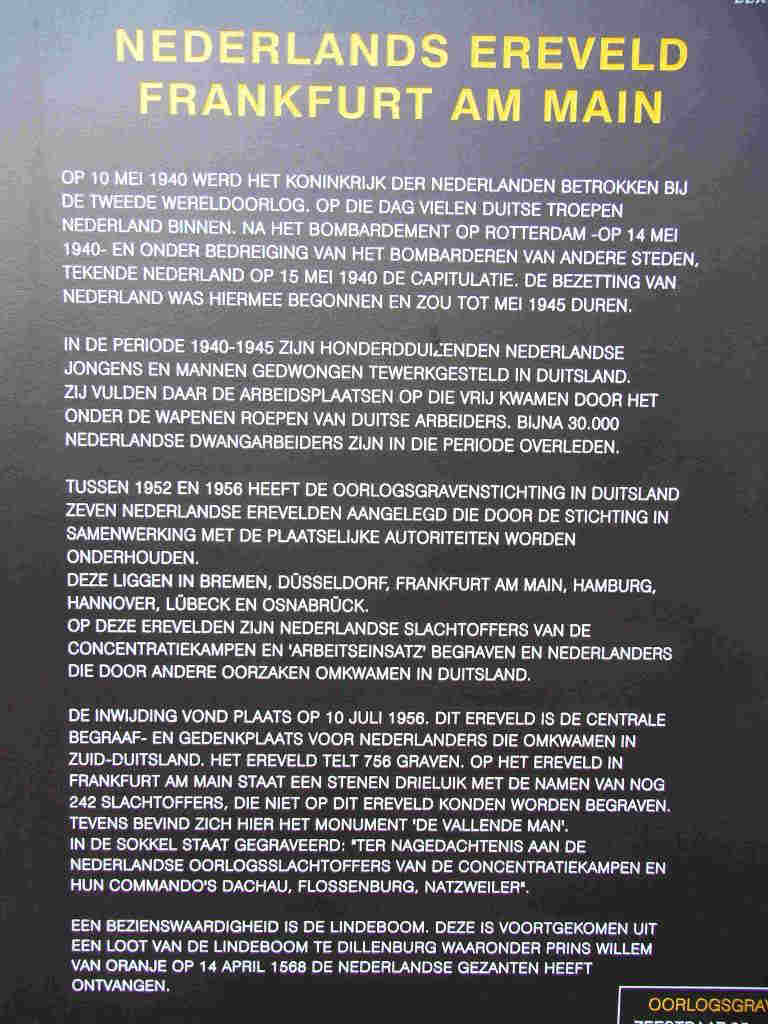
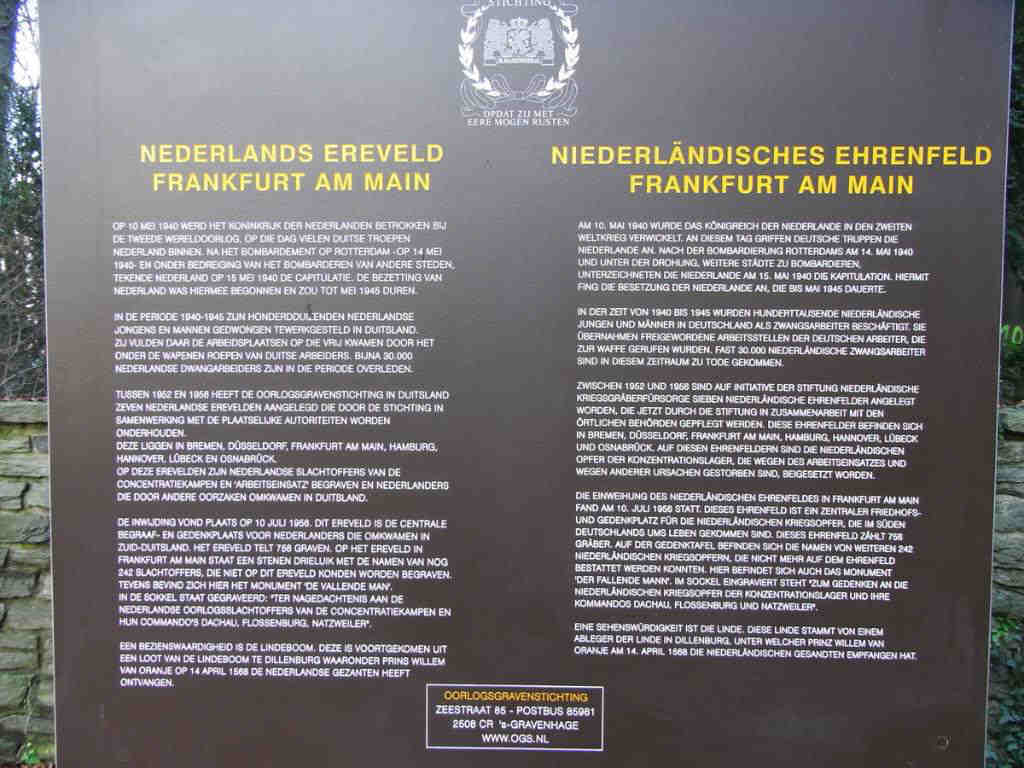
 | The Netherlands became involved in the Second World War on 10 May 1940 when German troops attacked the Netherlands. After the bombardment of Rotterdam by the German Air Force on 14 May 1940 and the threat to bombard further cities the Netherlands signed the capitulation documents. This started the occupation which lasted until May 1945. |
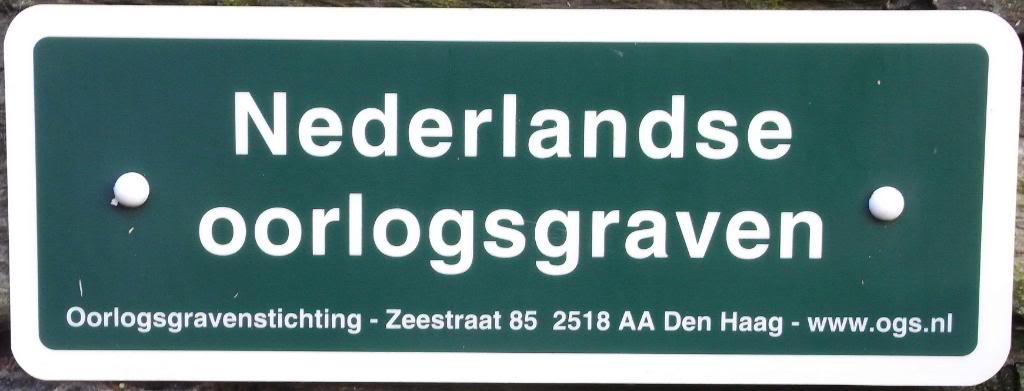 Panel Dutch War Grave Commission | |
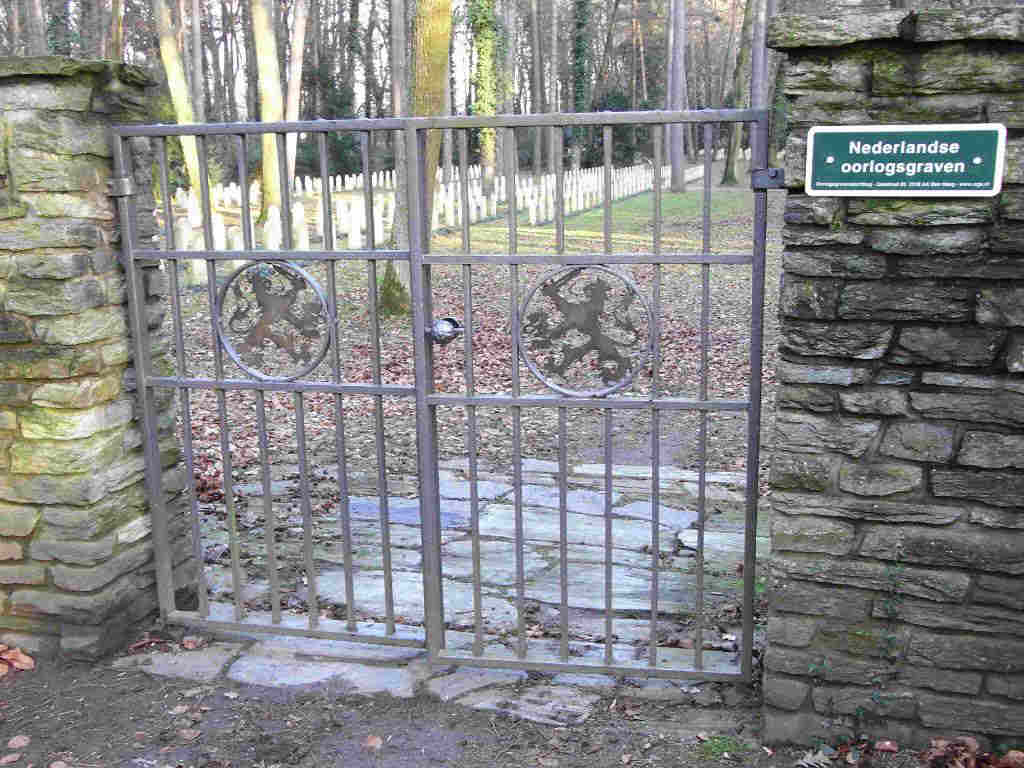
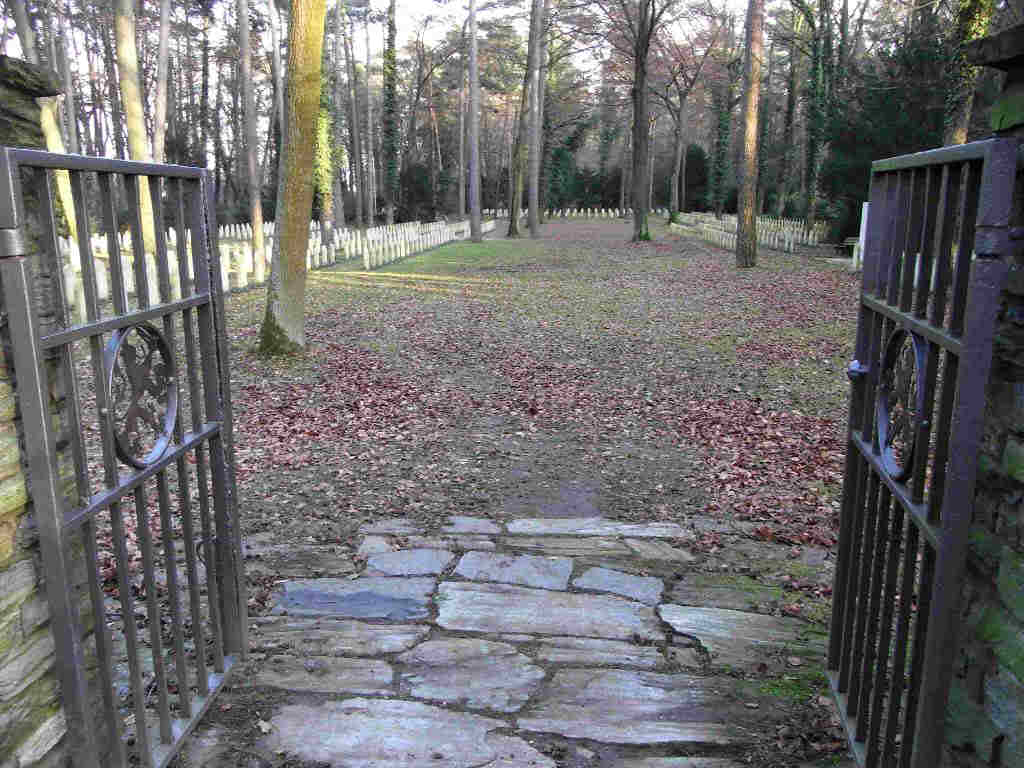 Entrance Gate | |
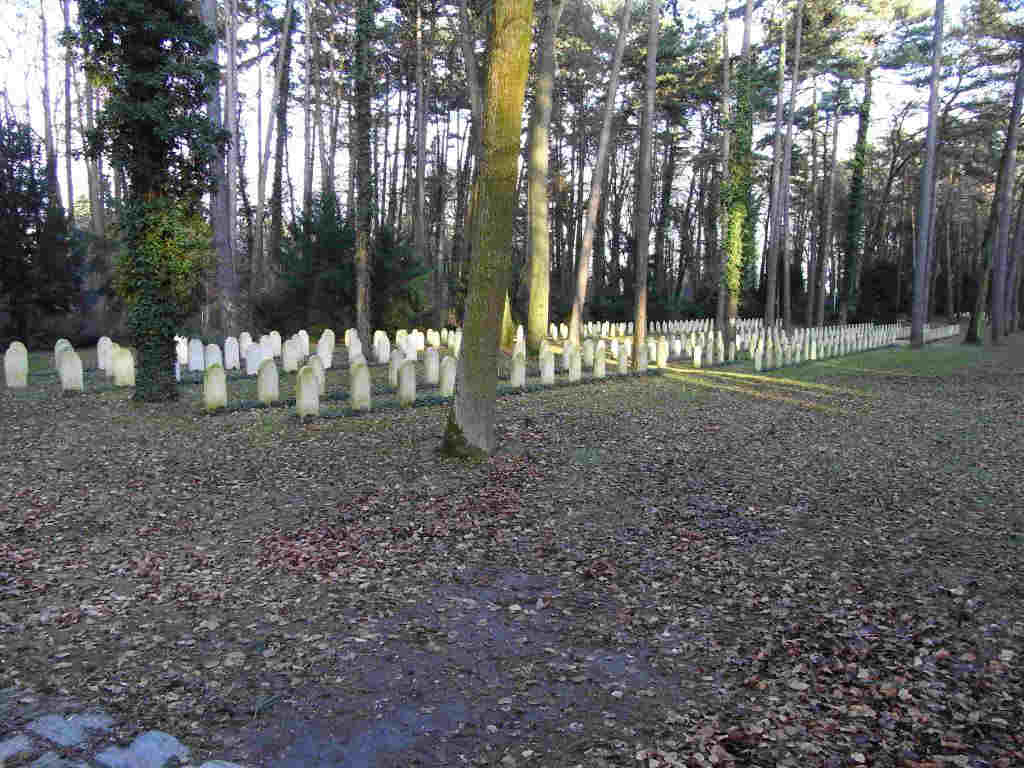 Dutch war graves |
|
|
|
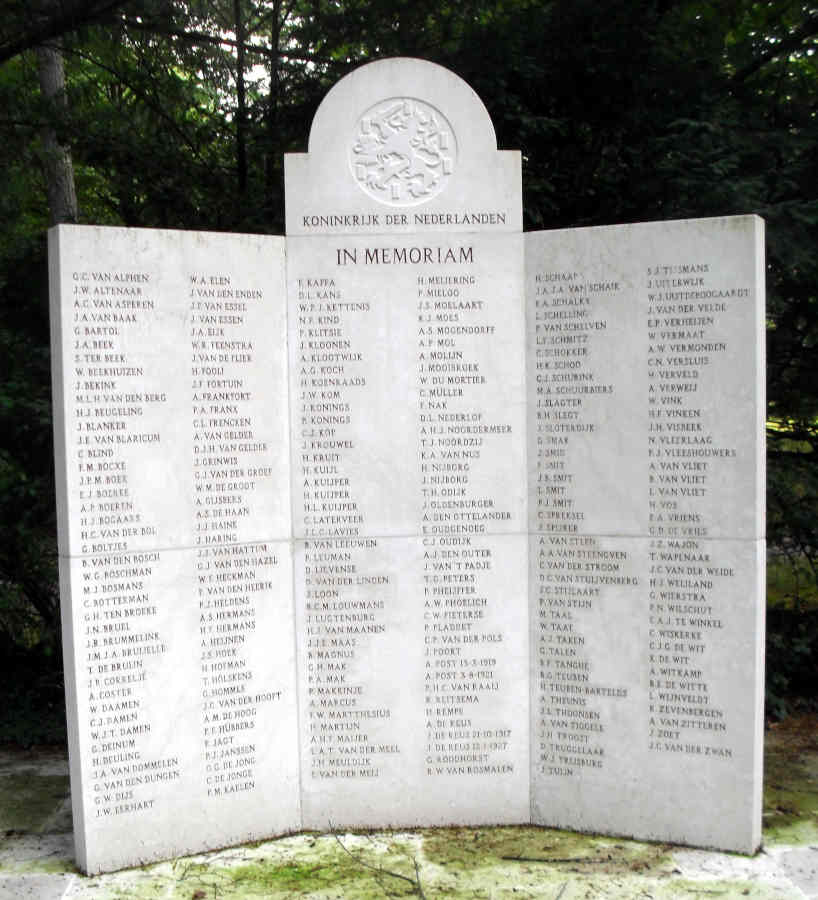 |
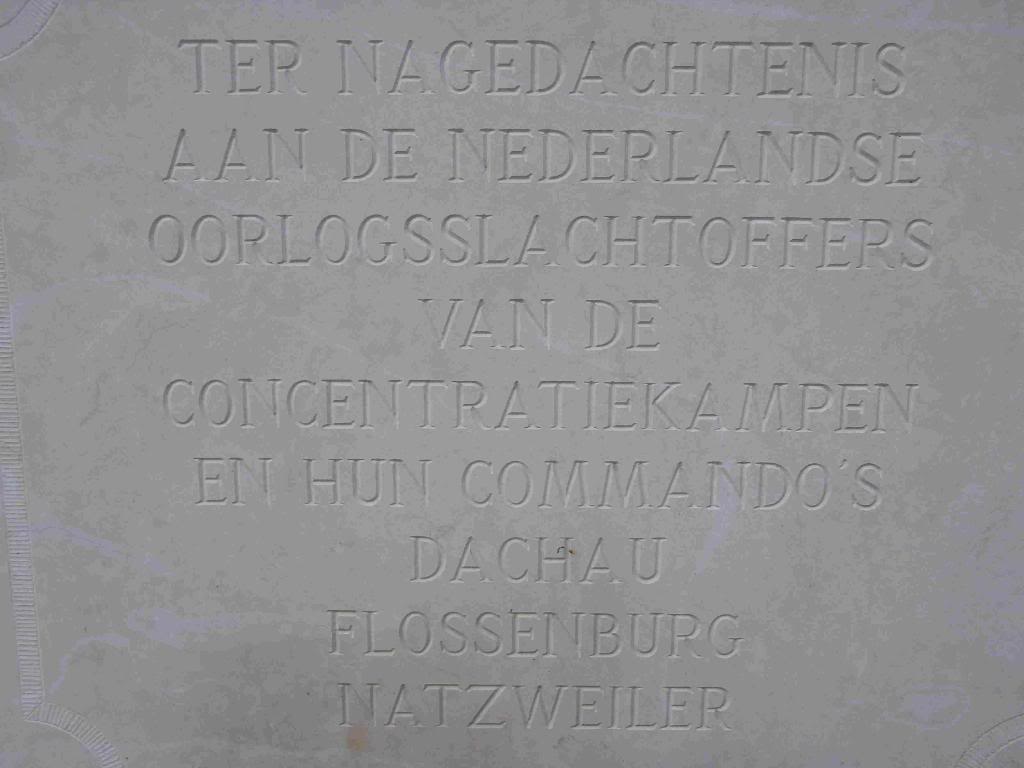
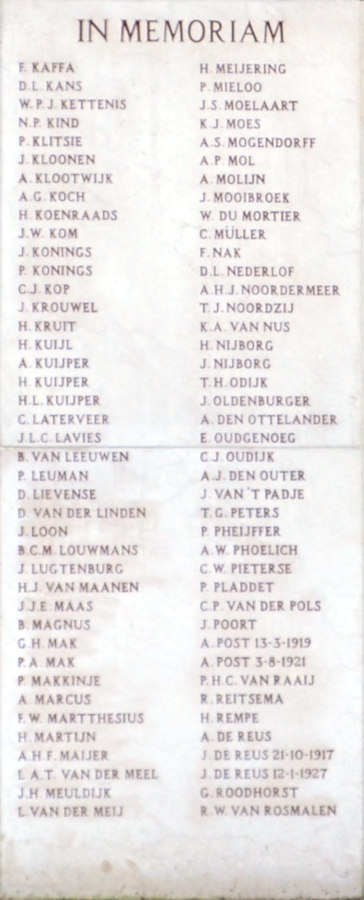
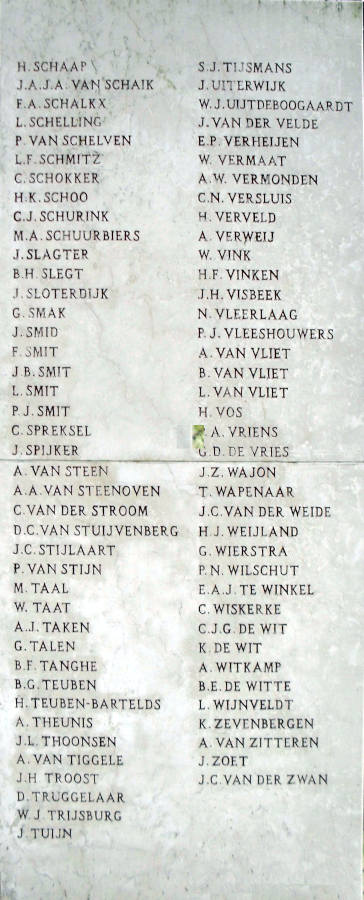
Koninkrijk der Nederlanden In Memoriam Kingdom of the Netherlands In Memory |
| |||
| |||
|
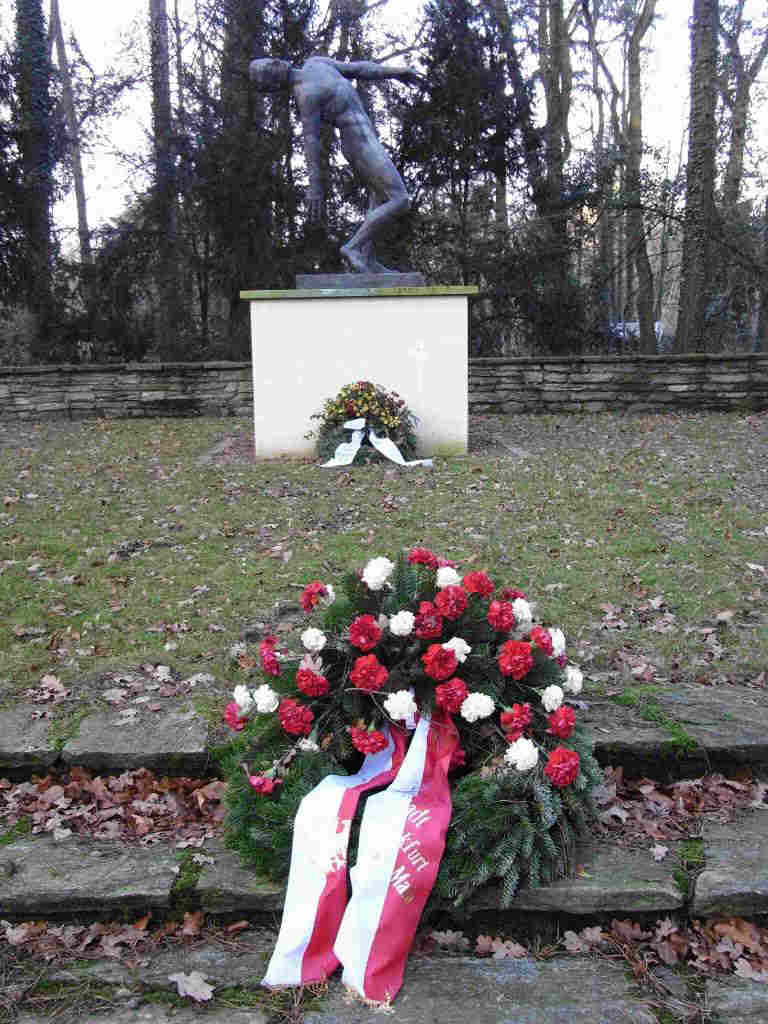
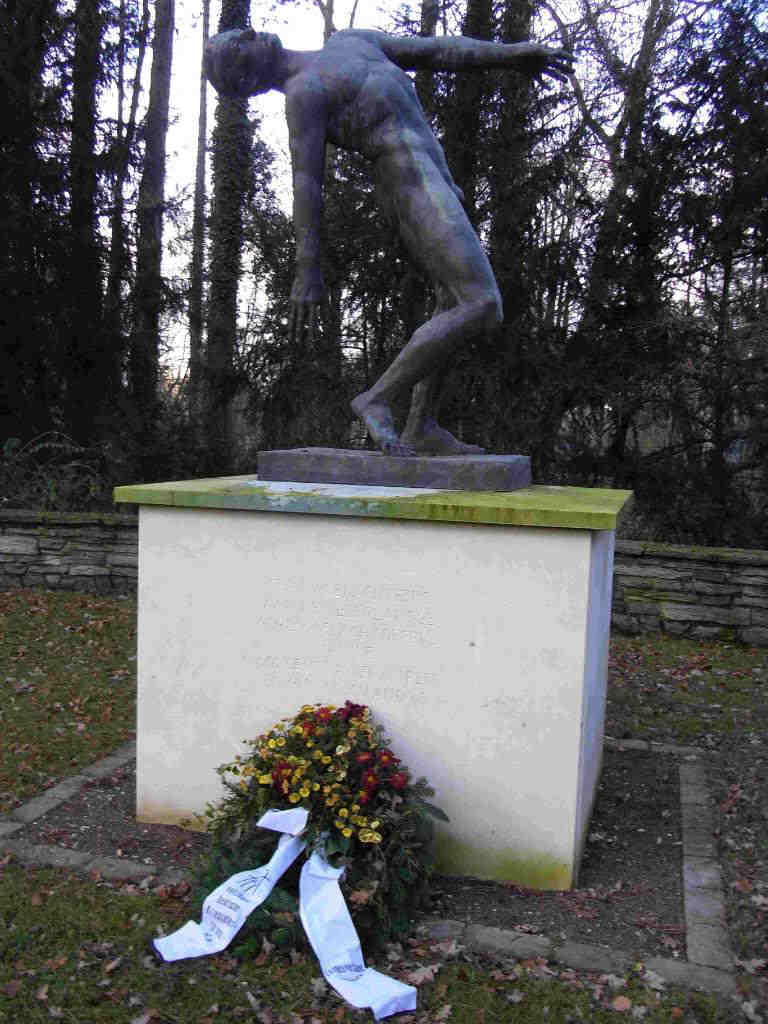
Many thanks to Mrs. Heidi Kulesza from Frankfurt/Main. She was
so kind to visit the cemetery to take pictures of it. Thank you, Heidi.
Many thanks also to my nephew Holger Dancsecz.
He made it possible for me to take some more photos in the cemetery.
 |
To the graves |
 | This page is dedicated to the 10 million victims of World War I and 60 million victims of World War II. | |
|
|
|
| Index | Search engine | Names and That |
Click the pictures for a larger size.
Use your backward button of your browser to come back to this page.
Thank you.
Lost Ancestors 2009/2025